
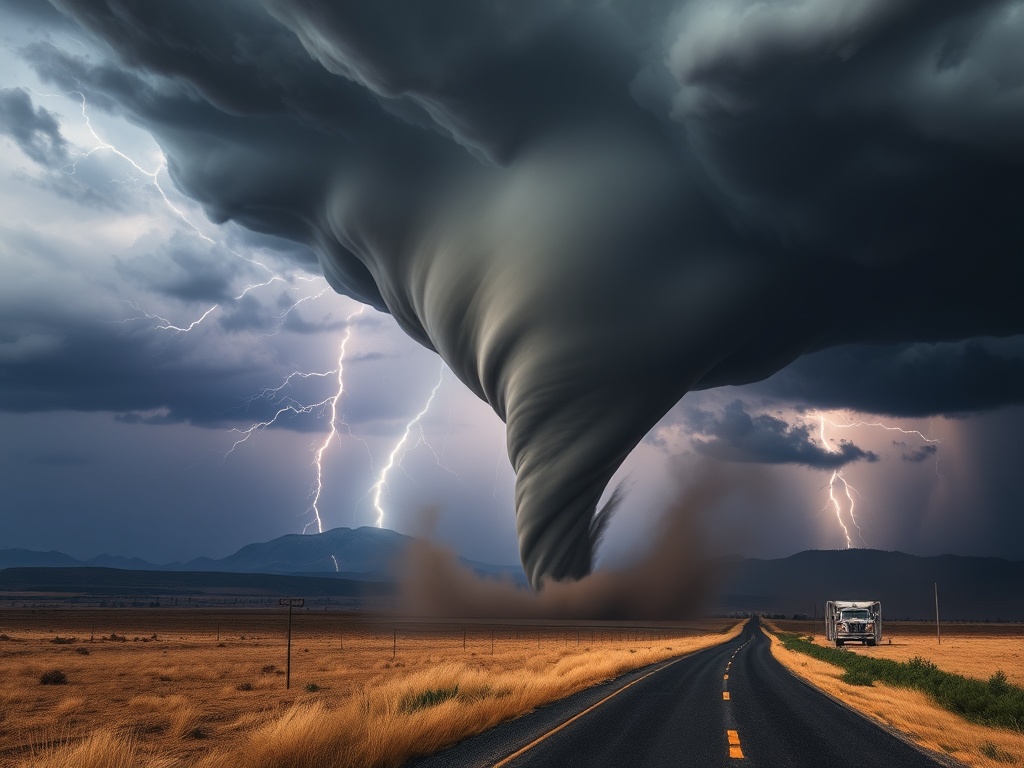
Tornadoes are among nature’s most powerful and destructive forces. While many associate tornadoes with the Great Plains and Tornado Alley, Colorado is no stranger to these violent storms. In fact, Colorado experiences numerous tornado events each year, with certain regions being more prone than others. Understanding the phenomenon of a Colorado tornado is crucial for residents and visitors alike to stay informed and prepared.
What Causes a Colorado Tornado?
A tornado forms when specific atmospheric conditions come together to create severe thunderstorms with rotating updrafts, known as supercells. Colorado’s unique geography plays a significant role in this process. The Rocky Mountains influence weather patterns, often causing dramatic changes in air temperature and wind velocity.
The combination of moist air from the Gulf of Mexico, dry air from the desert southwest, and cool air descending from the mountains can create the perfect conditions for severe thunderstorms and tornado formation. These storms typically occur during spring and early summer but can happen any time of year.
Historical Overview of Tornadoes in Colorado
Colorado averages around 50 tornadoes annually, most of which are relatively weak compared to those in other parts of Tornado Alley. However, strong and damaging tornadoes have struck the state in the past. One of the most notable incidents was the Windsor tornado in 2008, which was rated as an EF3 and caused significant damage.
East Colorado, particularly the counties along the eastern plains, tends to see the highest frequency of tornado activity. Cities like Denver and Boulder have experienced tornadoes, but they are less common in the mountainous areas. The state’s tornado season usually peaks between May and July, though outliers have occurred.
Types of Tornadoes in Colorado
While the majority of tornadoes in Colorado are weak (EF0 to EF1), stronger tornadoes rated EF2 and above can and do develop under the right circumstances. Most Colorado tornadoes are relatively short-lived and occur during daytime hours when thunderstorms are most likely. They can vary from small dust devils to large, destructive funnels.
Due to Colorado’s diverse terrain, tornadoes can sometimes be harder to spot compared to the open plains. This makes it vital for residents to monitor weather updates closely during high-risk periods.
Impact of Colorado Tornadoes
Tornadoes in Colorado can cause extensive property damage, agricultural losses, power outages, and, in some cases, injuries or fatalities. Even smaller tornadoes can snap power lines, uproot trees, and damage homes. The economic impact can be significant, especially for rural communities heavily reliant on farming and ranching.
The aftermath of a tornado often involves community efforts to rebuild and recover. Emergency services work swiftly to restore infrastructure and provide assistance to affected families. Understanding the risk and preparing in advance can mitigate some of the damage.
How to Stay Safe During a Colorado Tornado
Preparation is key for tornado safety. If you live in or are visiting Colorado, take the following precautions to protect yourself and your loved ones:
- Stay Informed: Monitor local weather reports via TV, radio, or smartphone apps. The National Weather Service issues tornado watches and warnings to alert residents.
- Have a Safe Shelter: Identify a tornado-safe location in your home, such as a basement or an interior room on the lowest floor without windows.
- Prepare an Emergency Kit: Include water, non-perishable food, flashlights, batteries, medical supplies, and important documents.
- Develop a Family Plan: Make sure all family members know where to go and what to do if a tornado warning is issued.
- Avoid Windows: Flying debris is the biggest hazard. Protect yourself by covering your head and neck with your arms or a sturdy object.
The Future of Tornado Monitoring in Colorado
Advances in meteorological technology continue to improve tornado detection and forecasting. Doppler radar and satellite imaging help scientists track storm development more accurately. Colorado participates in national programs to monitor and respond to severe weather events quickly.
Ongoing research aims to better understand how climate change may influence tornado frequency or intensity. While Colorado will likely continue experiencing tornadoes, enhance preparedness efforts and improved warning systems will help reduce risks and keep communities safer.
Conclusion
Though not as infamous as other Tornado Alley states, Colorado tornadoes pose a genuine threat annually, especially to residents of the eastern plains. By understanding the causes, historical patterns, and safety recommendations related to a Colorado tornado, individuals can better prepare themselves and minimize potential harm. Awareness, early warning, and community readiness are the strongest defenses against the power of these natural phenomena.
Stay alert during severe weather seasons, respect the power of nature, and always have a plan in place. Tornado preparedness could save your life.
Please Visit Our” Featured” Category.